
Seasonal Tax Preparation Strategies for Businesses in Ashford


Understanding Seasonal Tax Preparation
As the seasons change, so do the financial landscapes for businesses in Ashford. Seasonal tax preparation is crucial for ensuring that your business remains compliant and efficient throughout the year. Understanding the cycles and how they impact your business can lead to more informed decision-making.
It's essential to recognize the specific tax obligations that arise during different times of the year. From quarterly estimated tax payments to annual filings, staying organized can prevent unnecessary stress and potential penalties.

Planning Ahead for Tax Season
Effective tax preparation starts with a proactive approach. By planning ahead, businesses can mitigate risks and capitalize on potential tax-saving opportunities. Begin by reviewing the previous year's tax returns to identify any areas for improvement.
Create a comprehensive calendar that highlights key deadlines and tasks. This can include payroll tax deposits, estimated tax payments, and filing dates for various forms. Having a clear timeline helps ensure nothing is overlooked.
Utilizing Professional Tax Services
Engaging with a professional tax advisor can be a wise investment for businesses in Ashford. These experts provide valuable insights into tax regulations and can offer tailored strategies to optimize your tax position. Whether it's navigating complex deductions or understanding local tax laws, professional guidance can be invaluable.

Maximizing Deductions and Credits
One of the key strategies in seasonal tax preparation is maximizing available deductions and credits. Businesses should keep thorough records of expenses related to operations, such as travel, equipment, and utilities. These can often be deducted, reducing taxable income.
Additionally, consider exploring available credits, such as those for energy-efficient improvements or hiring incentives. These credits can provide significant savings, making it worthwhile to research and apply for them.
Maintaining Accurate Financial Records
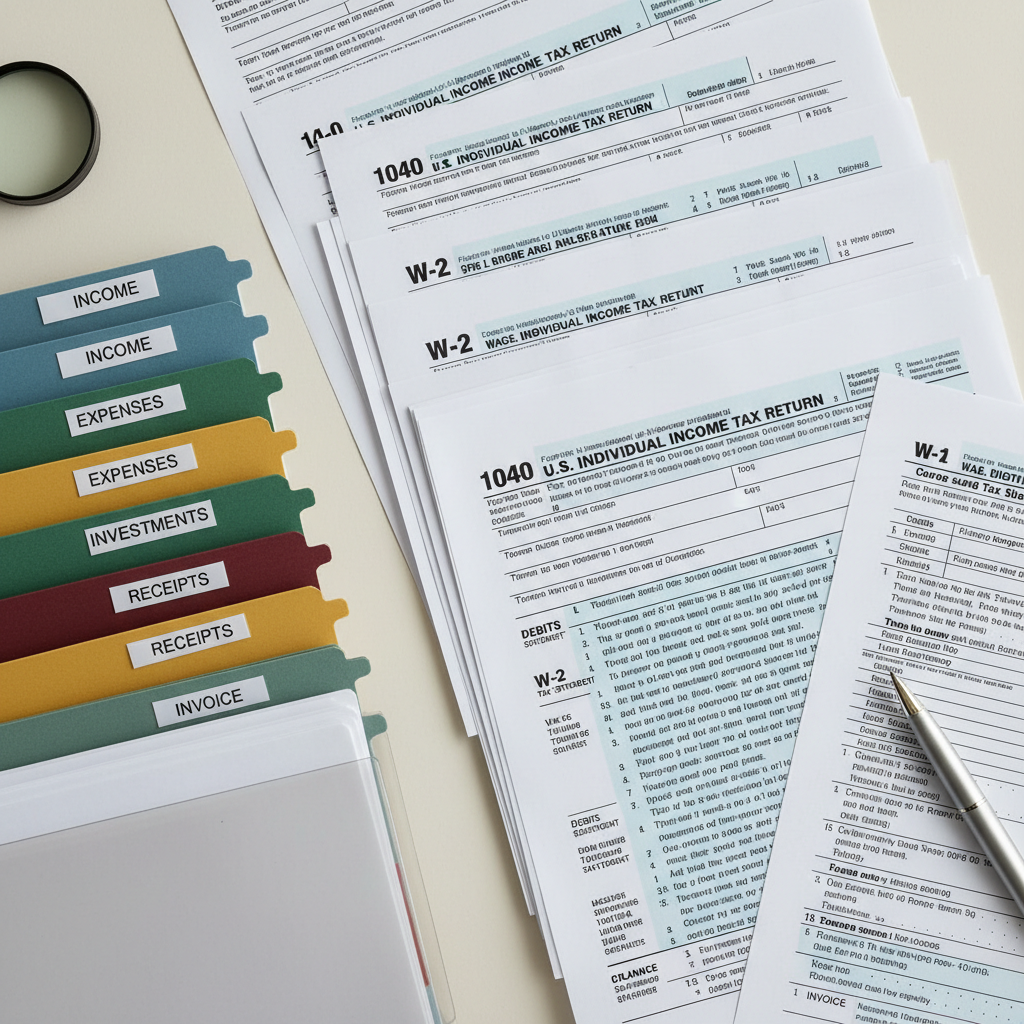
Accurate record-keeping is foundational to effective tax preparation. Utilize accounting software to track income, expenses, and other financial transactions. Regularly updating these records ensures that all necessary information is readily available when tax season arrives.
Adapting to Regulatory Changes
Tax regulations are subject to change, and it's vital for businesses to stay informed about any new laws or amendments. This can include changes in tax rates, deductions, or filing requirements. Keeping up with these changes can prevent costly mistakes and ensure compliance.
Subscribe to industry newsletters or consult with a tax professional to receive updates on relevant changes. Staying informed allows for timely adjustments to your tax strategy.
Preparing for Future Tax Seasons
After the current tax season concludes, take the time to evaluate the process and identify areas for improvement. Conduct a post-mortem analysis to assess what worked well and what could be enhanced. This reflection can guide more efficient practices in the future.
Consider setting up a system for ongoing financial education within your business. Empowering your team with knowledge about tax strategies can lead to better decision-making and a smoother tax preparation process.